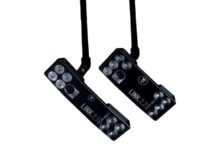


FORT MYERS, Florida – Two of the finest golf books ever published on putting instruction – “Putting Bible” by Dave Pelz and “Unconscious Putting” by Dave Stockton – both never mention the two most popular words in today’s putting universe – “zero torque.”
While some golfers have no idea what exactly “zero torque” means, there is no denying golfers are investing in their games to improve their ability to take less strokes on the green. In 2025 sales of “zero torque” putters have skyrocketed according to sales at golf retail stores and pro shops.
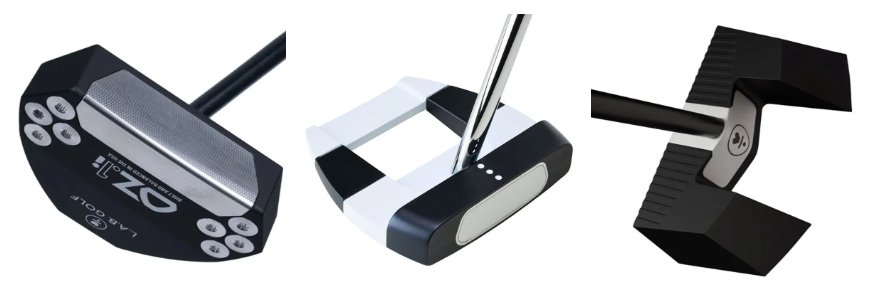
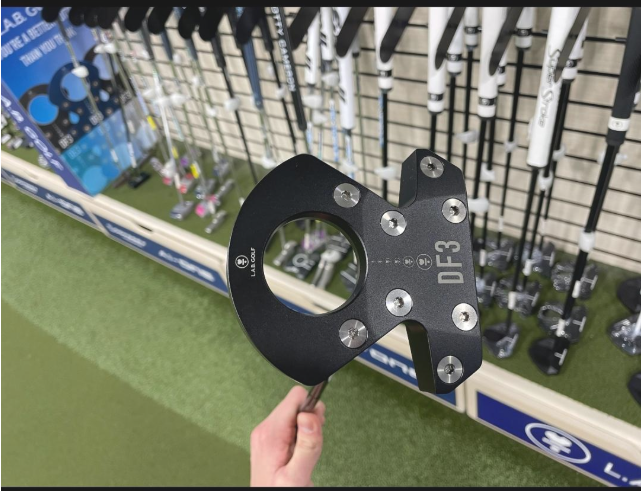
“Zero torque putters are definitely a hot product right now,” said Brett Hayes, Sales Manager at PGA Tour Superstore in Naples. “LAB putters started the trend about two years ago and then all the major companies jumped in and have flooded the market with center-shafted, zero torque putters. We have customers come in here everyday who tell us how happy they are with their new ZT putters.”
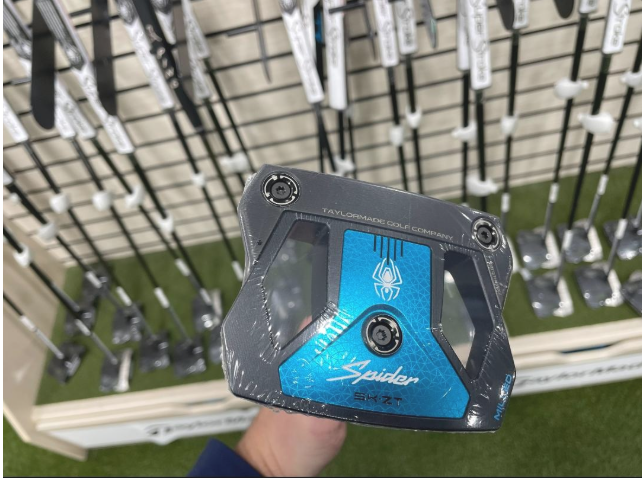
Hayes said the Naples PGA Tour Superstore has an inventory of 200 putters on the show floor. He said LAB putters, retailing for about $450 are the best seller, with TaylorMade ranking No. 2 and then Callaway/Odyssey. TaylorMade is all-in on the ZT craze, since of the 50 TaylorMade models on display, 90% are center shafted, zero torque.
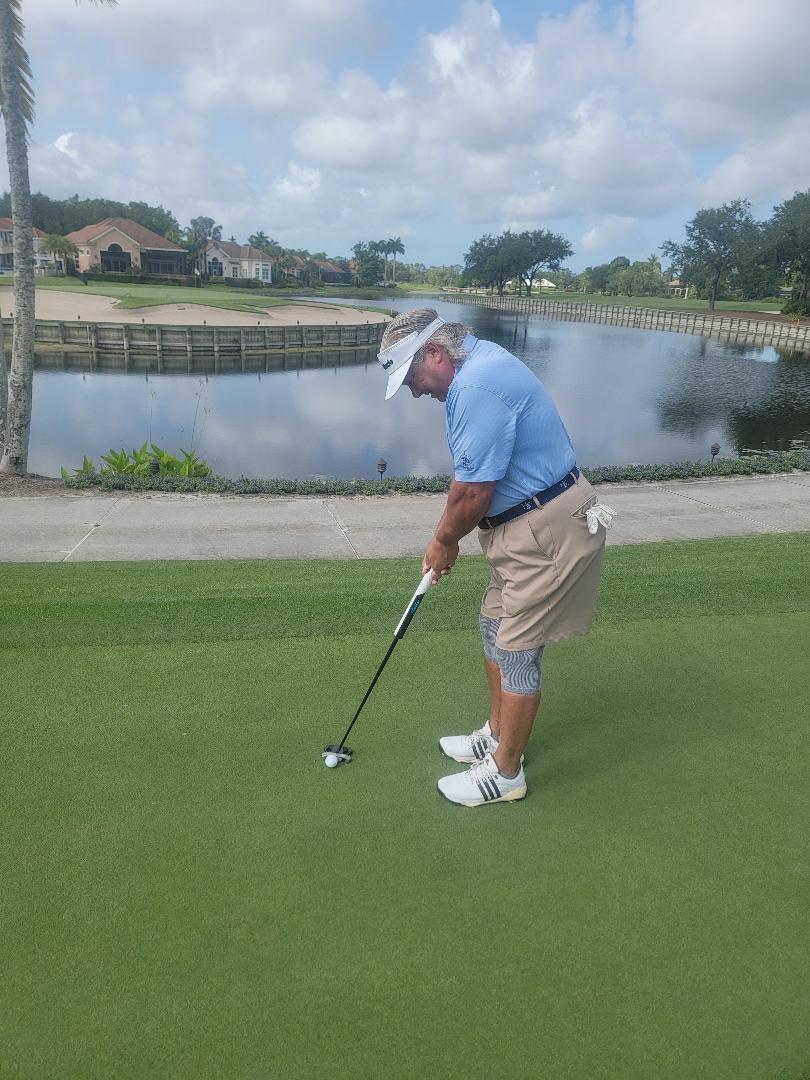
Putting accounts for roughly 40% of all golf strokes, with PGA Tour professionals averaging around 1.8 putts per hole, or approximately 32 per round. Amateurs, meanwhile, often exceed 40 putts per round, which is a mentally and physically pain-filled experience. For whatever its worth, I’ve tried 30 different putters at some point throughout my 50 years of playing, and used a belly putter for 20 years from 2000 – 2020. I made the switch six months ago to a Callaway/Odyssey Ai-One Square 2 Square Jailbird and my putting has improved significantly.
Statistics show Tour players and elite amateurs make 99% of putts from 3 feet, but only 40% from 10 feet. You’ve heard this before, but if you want to putt better, then try this: take out your wallet and budget about $400 and test one of the dozens of “zero torque” putters on the market today. Over the past year, “zero torque” putters are the rage! If in doubt, just ask someone who made the switch.
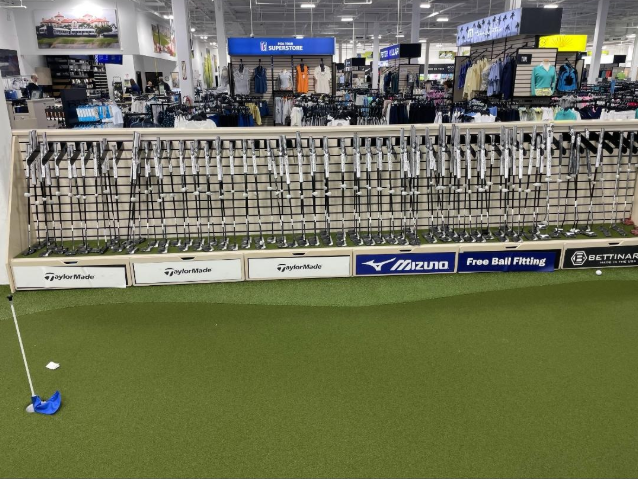
What Does “Zero Torque” Actually Mean?
The concept of “zero” or “low torque” means the face stays square throughout the stroke. In a traditional heel-shafted putter, the shaft sits closer to the heel while the center of gravity is farther toward the toe. That design naturally causes the face to rotate during the stroke, known as toe flow. Most players like some toe flow, but it also means you have to manage the face angle at impact to start the ball on line.
“I made the switch to the TaylorMade 5K Zero Torque putter and I am impressed with the results so far,” said Ramon Watkins, a avid, single-digit golfer from Pennsylvania who retired to Southwest Florida to a gated, golf community so he could play more golf. “Honestly, in my 40 years of golfing this putter is phenomenal. I’m two or sometimes three strokes better per round on the greens. It might be the best investment I’ve made in my game.”
MAKE PERCENTAGE PRO vs AMATEUR
3 FEET: Tour pros 99%, 15-handicap 90%, 28-handicap ~80%.
5 FEET: Tour pros 91%, 15-handicap 60%, 28-handicap 50%.
10 FEET: Even scratch golfers only make about 45% of these.
LAG PUTTING: Professionals make one in three putts from 15 feet.
THREE PUTT FREQUENCY
PGA TOUR: 0.5 per round
15 HANDICAP: 3.2 per round
28 HANDICAP: 4.5–5 per round
So what should an average golfer do to improve their odds of holing more putts?
The main difference comes from more practice. Golfers should not just practice short putts but long putts a/k/a “lag” putts. To improve putting, it is easier to reduce the number of three putts than to increase the number of single putts.
The three aspects to good putting are (1) a good and repeating stroke (2) good distance control (3) good direction judgment or green-reading skills.